POUR-OVER VS DRIP
Pour-Over vs Drip Coffee Maker (2026): Taste, Effort, Batch Size and Which to Buy
Pour-over and drip coffee are closer relatives than most people think. Both pour hot water over ground coffee in a filter and let it drip through; the difference is whether your hand or a machine does the pouring. That one difference changes almost everything about the experience: how much control you have over flavor, how much time it takes, how many cups you can make at once and what else you need to buy. It is also one of the most common questions from people choosing a coffee gift this season. This guide explains how the two methods compare, what the coffee industry’s brewing standard says about getting a great cup either way, and which pour-over drippers and drip machines to consider. We did not brew with these products ourselves; we used the Specialty Coffee Association’s published standard and certification list, the National Coffee Association’s pour-over guide, maker specifications and Amazon’s customer summaries, which we paraphrase.
Disclosure: This post contains affiliate links. If you buy through these links, we may earn a commission at no extra cost to you. As an Amazon Associate I earn from qualifying purchases.
Quick Picks
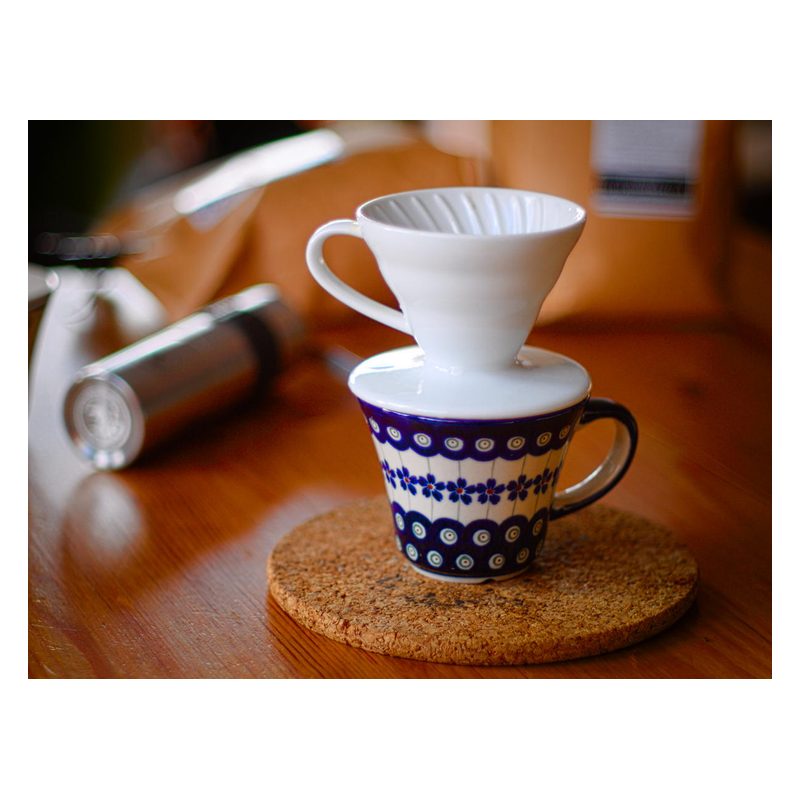
Hario V60 Dripper
Best Pour-Over Dripper for Control
Hario V60 Ceramic Dripper, Size 02: cone shape with spiral ridges and a single large hole, handmade Arita-yaki porcelain that helps hold brewing temperature; uses V60 cone filters (listing).
Pros
- Most control over flavor
- Inexpensive and compact
Cons
- Learning curve
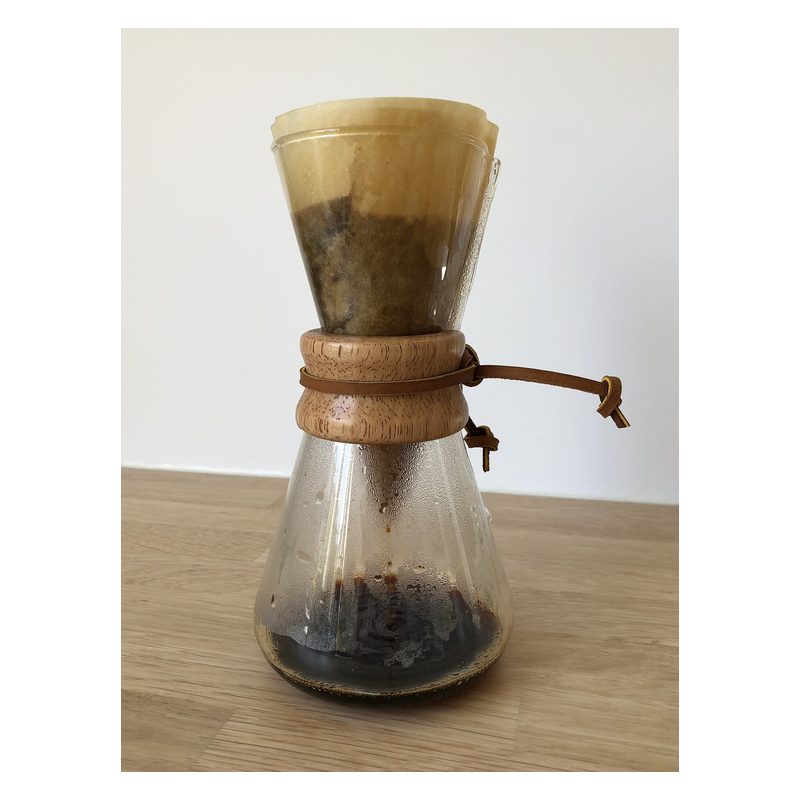
Chemex Classic 6-Cup
Best Pour-Over for Sharing
Chemex Classic 6-Cup: borosilicate glass pour-over brewer and carafe in one, 5 oz cups (about 30 oz total), uses Chemex bonded filters (FP-1, FC-100, FS-100, FSU-100), non-porous glass (listing).
Pros
- Brews and serves about 30 oz
- Very clean cup
Cons
- Needs Chemex filters
OXO Brew 8-Cup
Best Drip Machine for Pour-Over-Style Coffee
OXO Brew 8-Cup Coffee Maker: SCA certified, BetterBrew control of temperature, water volume and brew time (194–205°F per listing), Rainmaker showerhead, bloom cycle, brews 10–40 oz, single-serve basket, double-wall vacuum-insulated thermal carafe (maker and listing).
Pros
- SCA certified
- Bloom cycle and even showerhead
Cons
- No programmable timer
How we chose
We did not run lab or hands-on tests for this guide. Instead we read each product’s Amazon listing and the manufacturer’s published specifications, then looked for patterns in the customer feedback summaries that Amazon shows on each listing. Where a listing gives a number, we repeat it as the listing’s claim. Where we could not find reliable details, we say so rather than guess.
We checked every Amazon listing below on November 19, 2026. For pour-over we picked the two most popular drippers, the Hario V60 and the Chemex. For drip we picked two brewers whose makers say they meet the Specialty Coffee Association’s standards (the OXO Brew 8-Cup and the Moccamaster KBGV Select) and one popular programmable family brewer (the Ninja CE251). We read the Golden Cup Standard, the SCA’s Certified Home Equipment page, the NCA pour-over guide, OXO’s and Moccamaster’s product pages, each Amazon listing and its customer summary, and looked at what buyers ask most: does pour-over taste better, is it worth the effort, can a machine match it and how many cups each makes.
Read more about our method on our How We Research page.
The short answer
Choose pour-over if you enjoy a few minutes of hands-on brewing, usually make one or two cups and want to fine-tune flavor; a Hario V60 or Chemex is inexpensive but works best with a kettle and, ideally, a scale and burr grinder. Choose a drip coffee maker if you want great coffee with no effort or need to brew for several people; an SCA-certified brewer such as the OXO Brew 8-Cup or Moccamaster KBGV Select controls temperature and timing automatically and gets close to pour-over quality.
Already sure? Jump to our best pour-over coffee makers or best drip coffee makers, or browse the Coffee Guide.
Pour-over vs drip at a glance
| Factor | Pour-over | Drip coffee maker |
|---|---|---|
| How it works | You pour hot water by hand over grounds in a filter cone | A machine heats water and showers it over the grounds |
| Control | Full control of pour speed, water temperature and timing | Set by the machine; some offer strength or batch settings |
| Effort and time | A few minutes of attention per brew | Press a button and walk away |
| Batch size | Usually 1 to 4 cups (a Chemex can do more) | Typically 4 to 12 cups |
| Extra gear | Kettle (gooseneck preferred), scale, grinder, filters | Filters; grinder recommended |
| Consistency | Depends on your technique | Repeatable once set up |
| Keeping it hot | Drink right away or use an insulated server | Warming plate or thermal carafe |
Sources: National Coffee Association, Pour-Over Coffee guide and SCAA Golden Cup Standard (PDF, hosted by Moccamaster).
Does pour-over really taste better?
Not automatically. The Golden Cup Standard sets the same target for any filter brew: water at about 200°F, give or take 5 degrees, where it meets the coffee, a ratio of about 55 grams of coffee per liter of water, and a contact time that matches the grind (about 4 to 6 minutes for a drip grind). Hit those numbers by hand or by machine and you get a well-extracted cup. See SCAA Golden Cup Standard (PDF, hosted by Moccamaster).
Pour-over has an edge when you know what you are doing: you can pour faster or slower, bloom the grounds and adjust each brew, and the V60’s single large hole rewards that control. Many basic drip machines fall short because they don’t hold the right temperature or wet the grounds evenly, which is why the SCA tests and certifies home brewers.
Filters matter too. The National Coffee Association notes that paper filters absorb more of the coffee’s oils for a cleaner, lighter taste, while metal filters let more oils and sediment through for a more intense taste and texture. Both methods usually use paper, so the bigger differences come from water temperature, grind and technique. See National Coffee Association, Pour-Over Coffee guide.
Grind matters as much as the brewer: see burr vs blade grinders.
Effort, gear and routine
Pour-over is a ritual. You heat water, rinse the paper filter, weigh and grind your coffee, wet the grounds with a little water to let them bloom, then pour slowly in stages for a few minutes. The NCA notes that a gooseneck kettle makes the pour easier to control, and a scale makes it repeatable, so the true cost of pour-over includes those tools.
Drip is a habit you don’t think about: add water, filter and coffee, press the switch. A good machine handles temperature and timing, so the variables you control are the coffee, grind and ratio. On busy mornings, or when guests are over, that convenience wins.
Kit for pour-over: best gooseneck kettles and best coffee scales.
Batch size: one cup or a crowd?
Pour-over is at its best for one or two cups. The Chemex can brew larger batches (Chemex counts a cup as 5 ounces, so the 6-cup model is about 30 ounces), but each extra cup means more pouring. Drip machines are built for volume: the OXO brews 10 to 40 ounces, the Moccamaster a 40 oz pot in about 4 to 6 minutes and the Ninja up to 12 cups.
If you mostly brew for yourself but host for the holidays, there is no rule against owning both: a dripper takes almost no space.
Comparing the two classic drippers? See Chemex vs Hario V60. For full pots that stay hot, see best thermal carafe coffee makers.
What “SCA certified” means for a drip machine
The Specialty Coffee Association certifies home brewers that pass third-party testing against its standards for brewing quality, consistency and performance. OXO says its 8-Cup Coffee Maker is certified by the SCA and meets the Golden Cup standard, and Moccamaster says the KBGV is ECBC certified and SCA approved to meet the Golden Cup standard. See Specialty Coffee Association, Certified Home Equipment, OXO Brew 8-Cup Coffee Maker product page and Moccamaster KBGV Select product page and specifications.
Certification doesn’t guarantee you will love the coffee, but it is a useful shortcut: a certified machine handles the part of brewing that basic machines most often get wrong.
The complete reviews
Hario V60 Ceramic Coffee Dripper, Size 02
Best Pour-Over Dripper for Control
According to the Amazon listing, the Hario V60 Size 02 is a handmade ceramic dripper made from Arita-yaki porcelain in Japan, with a cone shape, spiral ridges and a single large hole. Hario says the hole lets you pour faster for a lighter flavor or slower for a richer one, and the ceramic helps retain temperature through the brew.
The V60 is the classic choice if you want to learn pour-over properly. Its fast-draining cone puts flavor in your hands: grind, pour speed and bloom all show up in the cup, and it brews straight into a mug or small server. It is inexpensive, lasts for years and takes up almost no room.
That control is also the learning curve, and you need a kettle, filters and ideally a scale. Amazon’s customer summary says owners love the clean cup and easy cleanup, with mixed feedback on durability, including filters that tear easily.
Compare it with the Chemex in Chemex vs Hario V60.
Who it’s for: Coffee drinkers who enjoy a hands-on ritual and want the most control over flavor, one or two cups at a time.
Who it’s not for: Anyone who wants coffee at the push of a button, or to brew for a crowd; it takes a kettle, scale and a few minutes of attention.
Pros
- Most control over flavor
- Inexpensive and compact
- Ceramic holds heat
Cons
- Learning curve
- Needs kettle and ideally a scale
Chemex Classic 6-Cup Pour-Over Coffeemaker
Best Pour-Over for Sharing
According to the Amazon listing, the Chemex Classic 6-Cup is made of non-porous borosilicate glass that won’t absorb odors or chemical residues, measures 5 ounces as one cup and uses Chemex bonded filters (FP-1, FC-100, FS-100 or FSU-100, sold separately). Chemex says the design lets you cover and refrigerate brewed coffee and reheat it without losing flavor.
The Chemex makes pour-over practical for two to four people and doubles as a serving carafe, which makes it a good-looking centerpiece on a holiday table. Its thick bonded filters give a very clean cup. See the Chemex official site.
It needs Chemex-specific filters and brewing a full carafe takes several minutes of pouring. Amazon’s customer summary praises the bitterness-free coffee and timeless design, with some reports of glass cracking and split views on value.
More drippers in best pour-over coffee makers.
Who it’s for: People who want clean, sediment-free pour-over in batches for two to four people, with a classic glass design.
Who it’s not for: People who want a quick single cup with little cleanup; the glass carafe and thick filters take care and time.
Pros
- Brews and serves about 30 oz
- Very clean cup
- Glass doesn’t hold odors
Cons
- Needs Chemex filters
- Takes time for big batches
OXO Brew 8-Cup Coffee Maker with Thermal Carafe
Best Drip Machine for Pour-Over-Style Coffee
According to OXO’s product page, the 8-Cup Coffee Maker uses BetterBrew precision to control water temperature, water volume and brewing time, is certified by the Specialty Coffee Association, spreads water with a Rainmaker showerhead and runs an integrated bloom cycle. The listing says it heats water to 194–205°F, brews anywhere from 10 to 40 ounces, includes a basket for single cups straight into a mug and pours into a double-wall vacuum-insulated stainless steel carafe. OXO says the removable brewing parts are top-rack dishwasher safe.
If you like the taste of pour-over but not the work, this is the closest a machine gets for most people: it blooms the grounds and showers water evenly, like a careful hand pour, and brews anything from a mug to a full carafe. The thermal carafe avoids the stewed taste of a hot plate. See the OXO Brew 8-Cup Coffee Maker product page.
There is no programmable timer, and opinions in Amazon’s customer summary on how long the carafe keeps coffee hot are mixed, as is reliability feedback. OXO suggests preheating your mug if you like coffee very hot.
Who it’s for: People who want pour-over-style flavor without the work, from one mug to a 40 oz carafe, with an SCA-certified brewer.
Who it’s not for: People who want a glass carafe on a hot plate or a programmable timer to wake up to coffee.
Pros
- SCA certified
- Bloom cycle and even showerhead
- Mug to 40 oz carafe
Cons
- No programmable timer
- Mixed heat-retention reports
Moccamaster KBGV Select 10-Cup Coffee Maker
Best Premium Drip Brewer
According to Moccamaster’s product page, the KBGV Select brews 1.25 liters (40 oz, 10 cups) into a glass carafe on a hot plate with its own heating element, has a selector for full or half carafes, an automatic drip-stop when you remove the carafe and an auto-off after 100 minutes. It draws 1,475 W, is ECBC certified and SCA approved to meet the Golden Cup standard, is handmade in the Netherlands and carries a 5-year warranty; the listing says it brews a full pot in 4 to 6 minutes.
The Moccamaster is the drip machine for people who would otherwise make pour-over: it brews fast and within the Golden Cup window, with a single switch and nothing to program. The half-batch setting is designed for smaller pots, and Moccamaster says replacement parts are available for all models, so it is built to last.
It costs far more than most drip makers, has no timer, and the glass carafe sits on a hot plate. Amazon’s customer summary praises the coffee and the simple design, but some owners find the plastic parts flimsy for the price.
Full details: Moccamaster KBGV Select review.
Who it’s for: Coffee lovers who want a simple, durable drip brewer that meets SCA standards and comes with a 5-year warranty.
Who it’s not for: Anyone who wants a programmable timer, a thermal carafe (that’s the KBGT) or a low purchase price.
Pros
- SCA approved, brews in 4–6 minutes
- Half-batch setting
- 5-year warranty, repairable
Cons
- Expensive
- No timer
Ninja CE251 Programmable 12-Cup Drip Coffee Maker
Best Programmable Drip Maker for Families
According to the Amazon listing, the Ninja CE251 brews into a 12-cup glass carafe with Classic or Rich strength, has a small-batch function for 1 to 4 cups, a 24-hour programmable delay brew, an adjustable warming plate that keeps coffee hot for up to 4 hours, a 60 oz removable water reservoir and a clean setting for descaling. A permanent filter and scoop are included.
For a family that wants hot coffee waiting in the morning and a full pot for guests, the CE251 covers the practical features pour-over can’t: programming, a big batch and a warming plate. The Rich setting and small-batch mode help it make a fuller cup than many basic machines.
Ninja doesn’t claim SCA certification for it, the warming plate can make coffee taste stewed if it sits for hours, and Amazon’s customer summary includes reports of machines that stopped brewing and carafes that shattered, alongside many owners happy with hot, non-bitter coffee.
More full-pot brewers in best drip coffee makers for holiday guests.
Who it’s for: Families who want an easy, programmable 12-cup drip maker with Classic and Rich strengths and a small-batch setting.
Who it’s not for: Coffee purists who want SCA-level brewing temperature control and a thermal carafe; coffee sits on a warming plate.
Pros
- 24-hour delay brew
- 12-cup batches
- Classic and Rich styles plus small batch
Cons
- Not SCA certified
- Warming plate can stew coffee
Frequently Asked Questions
What is the difference between pour-over and drip coffee?
Both pour hot water over ground coffee in a filter. With pour-over you pour the water by hand, which gives more control but takes a few minutes of attention; a drip coffee maker heats and pours the water automatically, which is easier and better for larger batches.
Does pour-over coffee taste better than drip?
It can, if you control the variables well, but it isn’t automatic. A drip machine that brews at the right temperature and time, such as an SCA-certified brewer, can make coffee that is very close to a good pour-over.
What temperature should water be for pour-over?
The Golden Cup Standard recommends water at about 200°F, plus or minus 5 degrees, where it meets the coffee. Water just off the boil, or a temperature-controlled kettle set near 200°F, works well.
Is pour-over worth it for one person?
Often, yes. A dripper is inexpensive, compact and brews one excellent cup, but budget for a kettle and ideally a scale and burr grinder. If you want coffee with no effort, a drip machine with a single-cup basket, like the OXO, is easier.
Conclusion
Pour-over and drip use the same basic method, so the right choice comes down to effort and batch size. Choose a Hario V60 or Chemex if you enjoy a hands-on ritual for one to four cups, and choose an SCA-certified machine like the OXO Brew 8-Cup or Moccamaster KBGV Select for near-pour-over quality at the press of a button, or the Ninja CE251 for programmable family pots. Use freshly ground coffee at about 55 grams per liter of water, and check current prices on Amazon before you buy.